
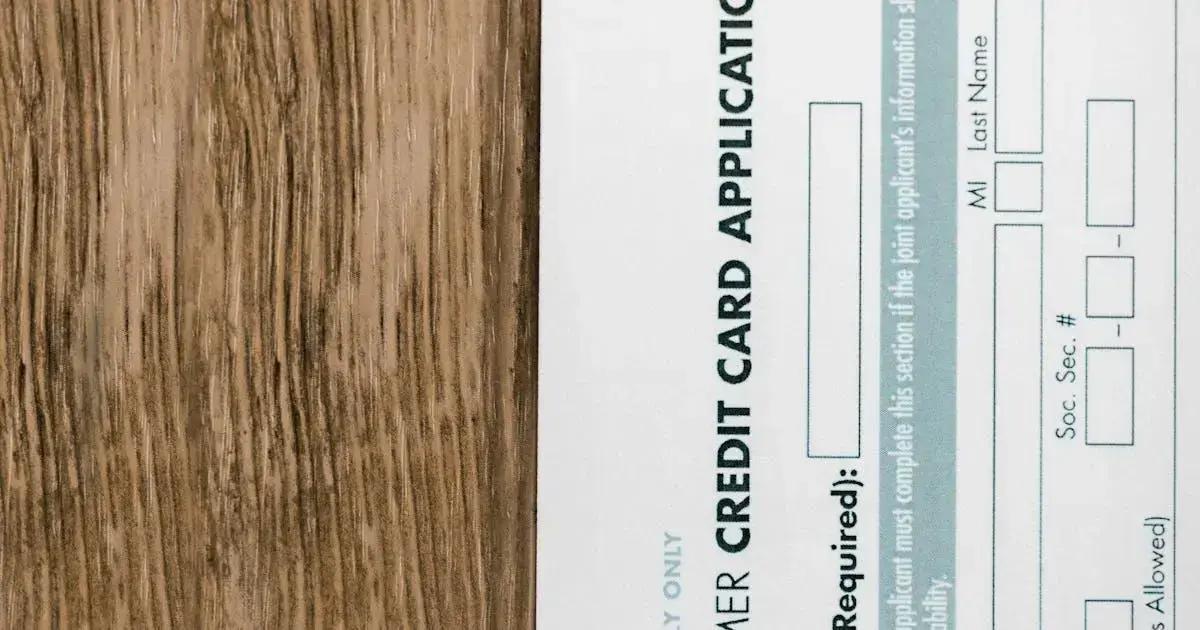
Apply for Health Insurance Freelancer: Top Tips & Tricks
Are you a freelancer looking to apply for health insurance? Navigating the health insurance landscape can be daunting for independent workers who juggle multiple projects and deadlines. Thankfully, finding the right health insurance for freelancers is within reach once you understand the process and know what to look out for. Discover the importance of health insurance for your financial and personal well-being, and let’s explore how you can identify the most suitable plans for your unique needs without breaking the bank. Avoid common pitfalls and make informed decisions to secure the best possible coverage.
Why Health Insurance Matters for Freelancers
For freelancers, understanding the importance of health insurance can be a pivotal aspect of managing a successful career. Unlike traditional employees, freelancers do not have employer-sponsored health plans, making it crucial to explore what health insurance options are available and why they matter. Most importantly, health insurance acts as a safety net, offering protection against unpredictable and potentially high medical expenses.
Let’s delve into why having health insurance matters for freelancers. First and foremost, it provides access to a wide range of healthcare services. Without insurance, doctor visits, hospital stays, and prescription medications can become prohibitively expensive, potentially leading to financial strain. With the right plan, freelancers can ensure they receive necessary medical care without incurring overwhelming costs.
Furthermore, health insurance contributes to better health outcomes. It encourages freelancers to engage in preventive care services such as vaccinations and regular check-ups, which are typically covered by health insurance plans. This proactive approach helps detect potential health issues early, minimizing the risk of severe conditions that could impact a freelancer’s ability to work productively.
Aside from financial and health benefits, having insurance also provides peace of mind. Knowing you have a safety net in place allows freelancers to focus on their work rather than worrying excessively about unexpected medical emergencies. This security is invaluable, especially in the unpredictable world of freelancing, where income streams can vary significantly from month to month.
In summary, securing health insurance is a vital decision for freelancers, ensuring they remain healthy, financially secure, and prepared for any medical-related uncertainties. By understanding the importance and benefits of health insurance, freelancers can make informed choices that bolster their well-being and professional success.
Understanding Different Health Insurance Plans
Navigating the world of health insurance can be tricky, especially when you’re a freelancer who needs to apply for health insurance yourself. First and foremost, it’s crucial to get a grip on the variety of health insurance plans available. Health Maintenance Organizations (HMOs) require you to choose a primary care physician and usually need referrals for specialists. They’re known for lower costs but come with limited provider flexibility. If you’re a freelancer that values a tight budget, an HMO might be your best bet.
On the other hand, Preferred Provider Organizations (PPOs) offer greater flexibility in choosing healthcare providers, though they come at a higher premium. Freelancers who travel often or value freedom in healthcare choices may find this plan more appealing. Consider how often you travel, and whether you prioritize flexibility when you apply for health insurance.
Exclusive Provider Organizations (EPOs) are a blend of HMOs and PPOs: they offer a network of doctors and hospitals, but without requiring referrals. This can be beneficial for freelancers seeking a balance between cost and freedom. Another option, Point of Service (POS) plans, are an HMO variant that allows out-of-network providers at a higher cost, infusing a bit of greater choice.
If you’re a young, healthy freelancer, consider a High Deductible Health Plan (HDHP) paired with a Health Savings Account (HSA). These plans cover catastrophic events and routine visits, often at lower premiums. HSAs, in particular, offer tax advantages worthy of consideration. Whatever you choose, ensure it aligns with your health needs, financial state, and lifestyle. Take your time to review these factors seriously when you apply for health insurance.
Key Factors to Consider When Applying
Before you apply for health insurance, it’s essential to assess your current and anticipated healthcare needs. As a freelancer, you may not have a corporate benefits package, so a thorough understanding of your requirements helps you make an informed decision when you apply for health insurance.
Your Budget: Consider your financial situation. Calculate your monthly income and how unpredictable it might be. When you apply for health insurance, it’s vital to choose a plan that fits your budget while providing the necessary coverage. Look at costs for premiums, deductibles, co-pays, and out-of-pocket maximums.
Provider Network: Another crucial factor is ensuring your preferred doctors and healthcare facilities are in-network. If you apply for health insurance that limits your access to healthcare professionals you trust, it might lead to higher costs. Before deciding, check if your current healthcare providers are included in the plan.
It’s also helpful to consider the coverage for prescription medications if you use them regularly. When you apply for health insurance, compare the drug formulary of each plan to ensure your prescriptions are covered. This way, you avoid unexpected costs and disruptions in your treatment regimen.
Plan Flexibility: Think about how flexible a plan is in accommodating life changes. As a freelancer, your circumstances might change rapidly, so when you apply for health insurance, check if the plan offers options to adapt to different situations, such as adding family members or moving to another state.
Finally, grasp the terms and conditions of each health insurance option fully. Read the policy details carefully, and don’t hesitate to contact the insurer with questions. When you apply for health insurance with a clear understanding, it can save you from difficulties later on. Taking the time to research and consider these factors thoughtfully will lead to a better health insurance experience for freelancers.
How to Find the Best Plans for Freelancers
Freelancers face a unique challenge when it comes to choosing the best health insurance plans. With the vast array of choices available, it’s crucial to navigate through options meticulously to find a plan that caters to specific needs and budgets. One practical tip is to gauge your current health status and predict your healthcare needs for the year. If you seldom visit the doctor and have no chronic conditions, a high-deductible health plan might save you money in premiums. However, if you anticipate requiring regular medical attention, opting for a low-deductible plan could prevent hefty out-of-pocket expenses in emergencies.
Start by comparing plans on healthcare marketplaces. Websites like Healthcare.gov offer a comprehensive overview of available choices in your area. Understand each plan’s network, ensuring your preferred doctors and medical facilities are covered. Consider leveraging tools available on these sites, such as the Plan Finder, to filter by cost and coverage specifics. It’s here where you’ll frequently find your keyword intersecting with your search intent. Local organizations may also provide guidance specifically for freelancers looking for health insurance, often highlighting plans few national services mention.
Engage in Community Networks
Another effective approach is to engage with fellow freelancers. Platforms like freelancer forums or LinkedIn groups can offer insights and recommendations based on personal experiences. These insights are golden opportunities to discover what works for others in similar situations. Freelancers often face hurdles in finding budget-friendly health insurance plans, and sharing genuine experiences helps unravel better-suited options.
Don’t overlook the value of short-term health insurance plans. They can bridge gaps or provide temporary coverage if transitioning between plans. However, beware; they often come with limitations, such as non-coverage of pre-existing conditions. For those engaging frequently in travel, consider a plan offering nationwide or even international coverage.
Evaluate Additional Benefits
When weighing your options, evaluate added benefits like dental, vision, and mental health services. These might not seem immediately necessary but can save costs long-term. Freelancers often find themselves in need of these services but might overlook them initially.Getting the right health insurance plan doesn’t have to be daunting. By employing these practical strategies, freelancers can secure plans tailored to their personalized needs, ultimately achieving peace of mind and financial security.
Common Mistakes to Avoid in the Application
When applying for health insurance as a freelancer, it’s essential to be aware of common mistakes that could hinder your application process. One frequent oversight is not thoroughly researching the health insurance plans available to freelancers. Given the variety and complexity of options, it’s crucial to compare each plan’s benefits and drawbacks carefully. Spend time understanding each option to avoid choosing a plan that doesn’t meet your needs.
Another common mistake is providing inaccurate information on your application. Double-check all personal and financial details before submitting. Errors can lead to delays or even a denial of coverage, which could severely impact your ability to secure insurance. Ensure that your application reflects the most current information to avoid unnecessary complications.
A less obvious but significant error is not accounting for all potential coverage gaps. Freelancers sometimes overlook the necessity to include additional coverage that addresses unique needs, such as vision or dental plans. Assess your health requirements comprehensively to avoid common mistakes like inadequate coverage.
Additionally, disregarding the value of customer support when selecting a plan is a typical misstep. Opt for plans that offer reliable and accessible customer service. This can be particularly beneficial if you encounter issues or have questions during the application process.
Lastly, many freelancers make the common mistake of procrastinating the application process. Health insurance deadlines are critical, and missing them can result in finding yourself without any coverage. Establish a schedule to gather necessary documents, complete the application, and review it for any errors well ahead of time to ensure a smooth application process.
Maximize Benefits: Freelancers’ Guide to Health Insurance
Getting the most out of your freelancer health insurance often starts with understanding what benefits are available and how they can work for you. As a freelancer, your choices might seem limited, but there’s a wide array of options that could provide substantial benefits. Firstly, explore options like Health Savings Accounts (HSAs), which offer not just tax advantages but also flexibility in how you spend your healthcare dollars.
Another important step involves leveraging preventive services. Many health plans cover a range of preventive services at no additional cost, and taking advantage of these can lead to healthier outcomes and less need for costly treatment down the line. Consider scheduling regular check-ups and taking advantage of screening tests as soon as your plan allows.
Considering network coverage is also crucial. The breadth of a network can significantly impact your health insurance’s effectiveness. Ensure your preferred doctors and hospitals are within your plan’s network to avoid unexpected out-of-pocket costs. For freelancers often on the move, looking into a plan with expansive geographic coverage might save both time and money.
Don’t overlook the importance of mental health services. Many plans offer some coverage for therapy sessions or counseling. Since maintaining mental wellness is often key to managing self-employment stress, proactively using these benefits is a shrewd move.
Finally, regularly reviewing your health insurance plan is vital. Personal circumstances and healthcare needs evolve, and a plan that served last year might no longer be optimal. Adjust your plan as necessary to ensure it evolves with you, reflecting your current life situation and health needs. This proactive approach to freelancer health insurance ensures that the benefits truly serve your best interests.